Woolworths Bomb Blasts: Terrorism, or a Corporate History of Bullying Coming Home to Roost?
As IEDs shatter Woolies’ aisles amid national strike chaos, a deeper, darker history of predatory IP theft and crushed local suppliers reopens a multi-decade public wound.
DURBAN 30 May, 2026 — For many years, Woolworths has been seen as a hallmark of quality, consistency, and middle-class success in South Africa. This week, however, that carefully maintained image was shaken by events that unfolded in the early hours of the morning.
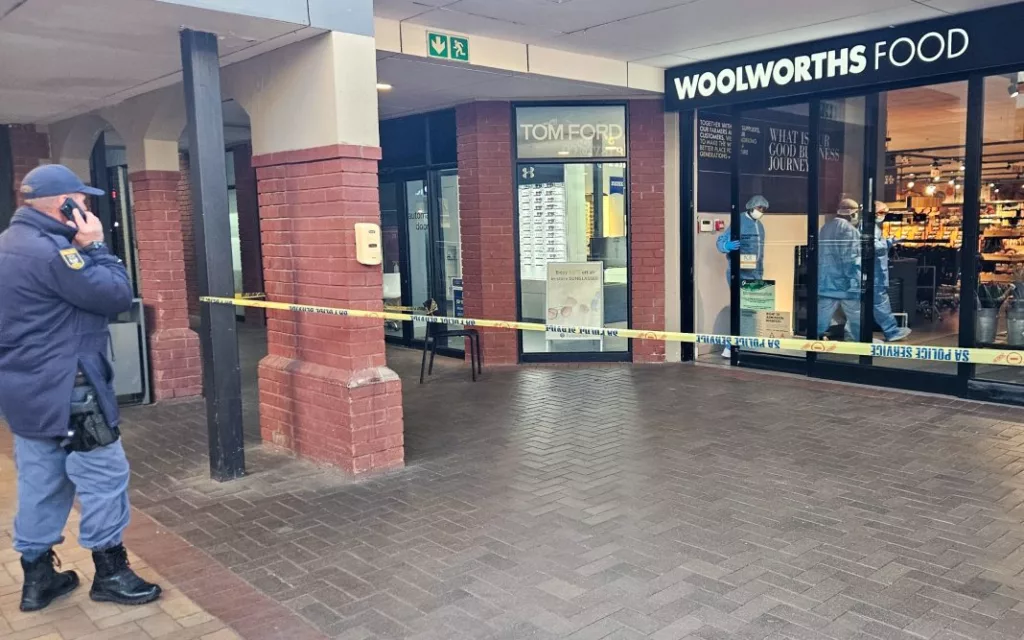
Within a span of 24 hours, two separate improvised explosive devices (IEDs) detonated inside Woolworths stores. The first tore through a food aisle at the flagship Menlyn Park branch in Pretoria at 01:00 on Thursday, shredding metal display racks and showering the floor with debris. The second struck the Preller Square branch in Bloemfontein at roughly the same time on Friday morning.
While five night-shift packers inside the Menlyn branch miraculously escaped physical injury, the emotional trauma to the staff has been severe. The Hawks have assumed control of the investigation under the Explosives Act, deploying specialized forensic teams nationwide.

A Convergence of Crises: The “Warning Shot” Theory
The timing of these blasts has turned the retail landscape into a pressure cooker. Today, Saturday, May 30, the All Truck Drivers Forum (ATDF) is executing a highly volatile national shutdown and rolling protest march, heavily concentrated across KwaZulu-Natal (KZN) and Gauteng, targeting the employment of foreign nationals in the freight sector.
In intelligence circles, timing is rarely a coincidence. The detonations occurred precisely 48 hours before the major logistics shutdown. Security analysts suggest these low-casualty, high-disruption blasts may have been designed as an economic “warning shot”—a terrifying mechanism to induce public panic, stretch police resources thin across multiple provinces, and force corporate South Africa onto the defensive.
Yet, as the smoke clears, a far more intimate and bitter public narrative is drowning out the geopolitical noise. For millions of South Africans, the attacks are being viewed through the lens of a long, painful history of corporate dominance, leading many to ask a deeply uncomfortable question: Have the people finally had enough?
The Ghost in the Machine: A History of Mimicry and Corporate Might
The panic over the bombings has collided directly with the highly publicized, recent financial collapse of two of Woolworths’ oldest, multi-generational local suppliers: Beyers Chocolates and Grey’s Marine.
The termination of their decades-long exclusivity contracts left both legacy South African family businesses in ruins, obliterating nearly 1,000 local jobs. While Woolworths defends its decisions as strict protection of its intellectual property, the catastrophic fallout has reopened deep, historical wounds regarding how the retail giant treats smaller local entities.
For many South Africans, this is a familiar cycle. The public memory runs deep, and Woolworths’ corporate history is peppered with multi-million-rand legal and public relations battles over allegations of “bullying” and copying the intellectual property of small entrepreneurs.
1. The Frankies Soft Drinks Scandal (2011/2012)
The most infamous chapter of this history belongs to Mike Schmidt, the founder of Frankies Old Fashioned Soft Drinks in KZN. After pitching his unique, nostalgia-driven beverage line to Woolworths, the corporate giant declined the contract. Shortly after, Woolworths launched its own “vintage” soda line that mirrored Frankies’ distinct bottle shapes, flavors (such as Cinnamon Cola and Fiery Ginger Beer), and even replicated their exact marketing slogan: “Good Old Fashioned Soft Drinks.”
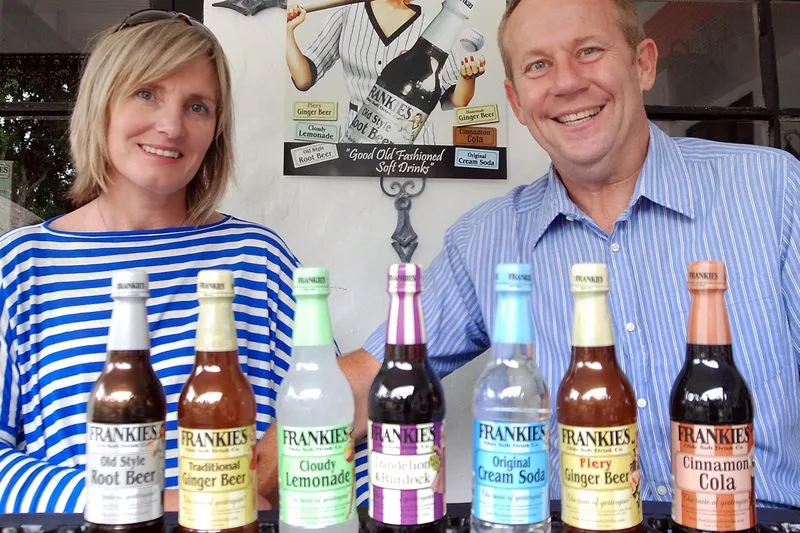
The resulting David-vs-Goliath battle ended in a humiliating defeat for the corporate giant. The Advertising Standards Authority (ASA) ruled against Woolworths for blatant imitation, forcing their then-CEO to issue a public apology and pull the entire line from the shelves following massive consumer boycotts.
2. The Ubuntu Baba Baby Carrier Battle (2019)
The pattern repeated years later when Shannon McLaughlin, founder of the small local brand Ubuntu Baba, discovered that Woolworths was selling baby carriers that were nearly identical to her organic, homegrown designs. Not only had the retail giant copied the ergonomic structure and colorways, but they had also used the actual word “Ubuntu” in their product description and targeted McLaughlin’s specific search terms online.

Following a massive outcry from the South African public, who rallied behind the independent mother-owned business, Woolworths was forced to publicly concede, withdraw the carriers from their shelves, and audit their design processes.
3. Artisanal Dairy and Packaging Disputes
Beyond these landmark cases, boutique artisanal brands—ranging from specialized packaging design formats to distinct yoghurt formulations—have frequently accused the retailer of leveraging its massive capital to squeeze out original creators, allegedly utilizing local product pitches to develop cheaper, in-house private-label alternatives.
4. The Health Food and Beverage Copycat Streak (2015–2019)

The corporate pattern shifted aggressively into the booming wellness sector between 2015 and 2019, drawing intense fire for allegedly cloning the concepts of independent health-food startups. In 2015, Lara Mare, the founder of RUSH Health Bars, publicly accused the retail giant of launching an identical range of natural, preservative-free raw snack bars directly after she had pitch-disclosed her proprietary formulations to Woolworths executives. This flashpoint was closely followed by the 2019 Superlatte Battle, where Cape Town entrepreneur Michelle Legge discovered that Woolworths had duplicated her artisanal, plant-based superfood blends for their in-store cafés. Woolies not only mirrored her exact unique menu combinations but even utilized her trademarked product names—specifically marketing their private-label sachets as the “Golden Latte” and “Red Velvet Latte”—leaving the boutique startup to watch a corporate behemoth ride on the coat-tails of its grassroots brand recognition.
Humanizing the Fallout: Have People Had Enough?
The true tragedy of the current crisis does not lie in the boardroom or on the JSE stock ticker; it lies on the factory floors and in the households of ordinary citizens. The sudden structural collapse of Beyers and Grey’s Marine means nearly a thousand South African families are facing immediate financial ruin in an already suffocating economic climate.
On social media platforms like X and via neighbourhood WhatsApp networks, the public sentiment is shifting from fear of the explosions to a profound, visceral anger. The intersection of a terrifying security threat with stories of corporate ruthlessness has struck a nerve. Consumers are openly questioning whether the premium prices paid at the till justify a corporate ecosystem that consistently leaves smaller, homegrown suppliers vulnerable to total collapse.
As incoming Group CEO Sam Ngumeni floods stores with private forensic experts and heightened security guards to protect the aisles, the brand faces an entirely different kind of threat—an existential crisis of faith from the very public that built it. Whether the IEDs were a calculated play by striking labor movements, a radicalized response to massive job retrenchments, or acts of pure economic sabotage, one truth is undeniable: the untouchable aura of South Africa’s retail giant has been fundamentally disrupted.
This SABC News broadcast on the Woolworths Preller Square scene provides live video coverage and footage from the ground in Bloemfontein as the Hawks and SAPS explosives units processed the second blast site.