The Alarming Prospect Of The Islamic State Of Africa Political Party
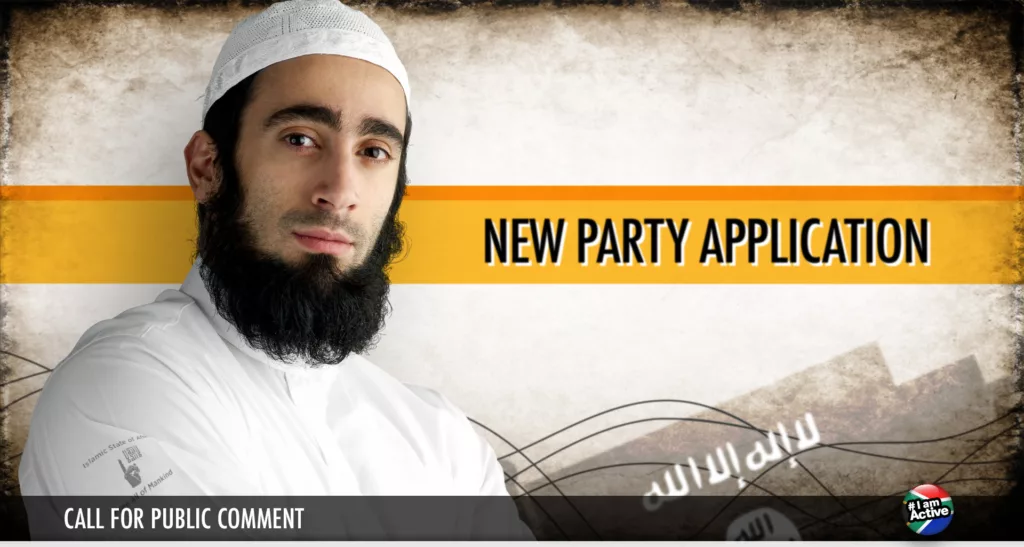
The Independent Electoral Commission (IEC) of South Africa has recently invited public commentary on the proposed registration of a new political entity: the Islamic State of Africa (ISA). This application, spearheaded by Farhad Hoomer, a figure with a contentious and deeply unsettling past, has ignited significant debate and apprehension among citizens and observers alike.
Farhad Hoomer: A Controversial Figure With A Dangerous Legacy
Farhad Hoomer, a Durban-based businessman, has been repeatedly linked to a series of violent and extremist activities over the past decade. In 2018, he was arrested alongside others in connection with a brutal attack at the Imam Hussain Mosque in Verulam, KwaZulu-Natal, which resulted in the death of a congregant and injuries to two others. The details of these harrowing events are well-documented in the article Celebration as ISIS-linked Verulam bombing case struck off the roll published by TimesLIVE.
While these charges were eventually struck from the roll on procedural grounds, the gravity and nature of the allegations linger. In 2022, the U.S. Department of the Treasury formally sanctioned Hoomer, identifying him as a key leader of an ISIS cell in Durban. According to the U.S. Treasury, Hoomer facilitated the transfer of operational funds from the ISIS hierarchy to branches across Africa and was actively involved in kidnapping-for-ransom schemes and extortion rackets targeting major businesses. This alarming revelation was comprehensively reported in US Treasury sanctions alleged SA-based ISIS organisation by PoliticsWeb.
Why ISA’s Registration Could Be Catastrophic
The proposed registration of ISA raises several urgent and serious concerns:
-
Association With Extremism
The name “Islamic State of Africa” unmistakably evokes the rhetoric and ideology of known global extremist factions. Its approval could incite societal division, provoke sectarian unrest, and undermine public trust in South Africa’s democratic institutions. This concern is echoed in Call to oppose registration of political party Islamic State of Africa from Gateway News. -
Public Safety And National Unity
Given Hoomer’s documented associations and operational history, there is significant apprehension about the potential threat this party may pose to public safety and social cohesion. Allowing a platform for such leadership risks introducing destabilising elements into an already strained socio-political environment. -
Legal And Ethical Implications
South Africa’s Electoral Commission Act explicitly forbids the registration of political parties that propagate or incite violence, hatred, or discrimination on the basis of race, religion, or other characteristics. The alignment of ISA’s proposed identity with previously alleged extremist activities appears to stand in direct conflict with these provisions.
A Call To Conscientious Action
Citizens who share these concerns are strongly encouraged to formally voice their objections to the IEC. Submissions can be made through the Dear South Africa participation platform at the following link:
Engaging in this civic process is not merely a right — it is a democratic duty to safeguard the values of peace, inclusivity, and constitutional order.
Final Thought-Provoking Questions
-
What safeguards currently exist to prevent individuals with a proven association to extremist activity from forming political entities in South Africa?
-
How can the public, alongside independent watchdog organisations, ensure that the principles of democracy are not weaponised by individuals with subversive intentions?
-
What mechanisms should be introduced or strengthened to balance freedom of political expression with imperative national security concerns?
This development demands careful scrutiny and decisive action. It is a reminder that democracy, if left unchecked, can be vulnerable to the very forces it seeks to defend against.