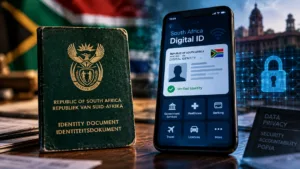
ICASA’s Biometric Rules: A Warning Sign for South Africa’s Digital ID Agenda
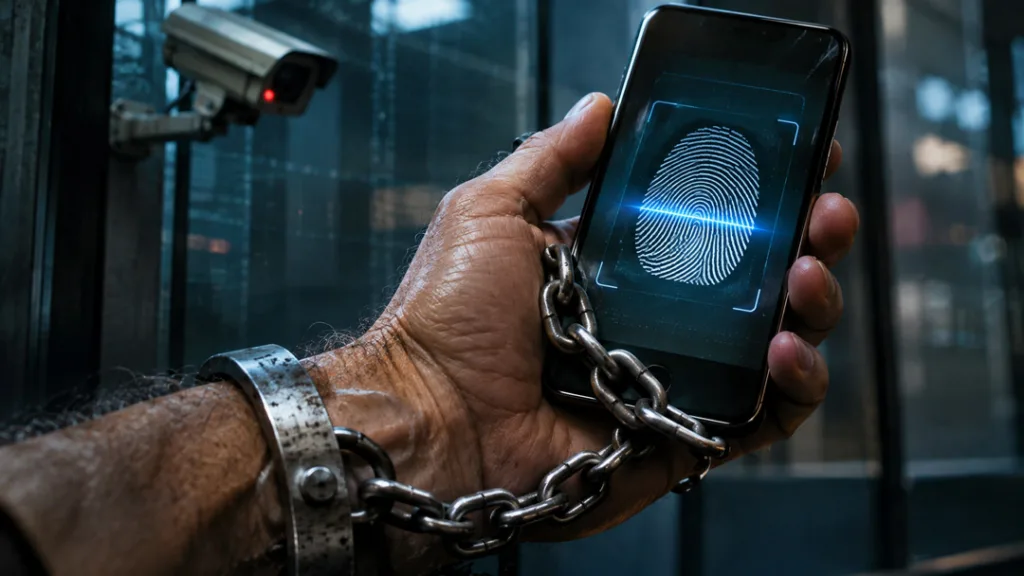
As biometric verification expands, questions remain about privacy, personal freedom and whether access to essential services could become increasingly dependent on digital identity systems.
South Africans face growing questions about privacy, personal freedom and the government’s expanding digital identity plans as ICASA proposes mandatory biometric verification for mobile SIM cards.
Johannesburg — 8 November 2026: South Africa’s proposed biometric regulations for mobile SIM cards are raising concerns about privacy, digital surveillance and the growing role of government identity systems in everyday life, with critics warning that the changes could pave the way for a more extensive Digital ID framework.
The Independent Communications Authority of South Africa (ICASA) has published its Draft Numbering Plan Fifth Amendment Regulations, 2026, proposing mandatory biometric verification for mobile subscribers.
Under the draft, mobile network operators would be required to capture fingerprints or facial images and verify them against the Department of Home Affairs’ national population register when activating or reactivating SIM cards. The regulations would also introduce a maximum of five mobile numbers per individual per network and require existing subscribers to undergo biometric verification within two years of implementation.
While ICASA’s stated objective is to combat SIM-card fraud, identity theft and criminal activity, the proposed framework raises questions about whether ordinary South Africans should be compelled to surrender sensitive biometric information simply to maintain access to mobile communications.
A Potential Expansion of Digital Surveillance
The concern extends beyond SIM cards.
South Africa’s wider digital transformation plans have placed increasing emphasis on digital identity and the use of technology to access government services. However, the ICASA proposal introduces another layer of identity verification into an essential service, potentially normalising biometric checks as a condition of participation in the digital economy.
Although the draft regulations do not establish a national Digital ID system, critics argue that compulsory biometric verification could contribute to the infrastructure and administrative practices required for a more centralised digital identity framework.
The distinction matters. A SIM-card verification system is not automatically a national Digital ID, but linking telecommunications access directly to government-held biometric records raises legitimate questions about how far identity verification could eventually extend.
Could similar requirements be introduced for banking, public services or other essential transactions?
The regulations also create a potential vulnerability for ordinary citizens. If Home Affairs systems experience technical failures, subscribers could face difficulties completing SIM swaps, potentially affecting access to banking services, emergency communications and other services dependent on mobile connectivity.
Privacy, Costs and Accountability
The proposed regulations state that biometric information would be used for identity verification, with deletion requirements applying after a number is deactivated, subject to specified exceptions.
However, the existence of restrictions does not eliminate the risks associated with collecting and processing sensitive personal information across thousands of retail outlets and network operators.
A biometric breach presents a different problem from a compromised password. Fingerprints and facial characteristics cannot simply be replaced.
The proposed two-year verification period also raises practical concerns. Millions of existing subscribers could be required to complete additional identity checks, creating administrative pressure and potentially increasing compliance costs for telecommunications operators.
Whether those costs will ultimately be passed on to consumers remains an important question.
Supporters argue that stronger biometric verification could help prevent fraudulent SIM registrations and protect consumers against SIM-swap attacks. Those objectives deserve consideration.
But should the public be expected to accept a permanent expansion of biometric collection without clear evidence that the system will significantly reduce criminal activity, without adequate safeguards and without meaningful alternatives for people who cannot complete verification?
South Africans Must Question the Direction of Digital ID
The broader issue is whether the government’s expanding reliance on digital identity systems is being accompanied by sufficient public scrutiny, transparency and accountability.
Digital identification may offer administrative convenience, but convenience alone cannot justify compulsory biometric collection or the creation of systems that could eventually make access to essential services dependent on a person’s ability to authenticate themselves through government infrastructure.
The proposed ICASA regulations should therefore be considered not merely as a telecommunications amendment, but as part of a wider debate about privacy, individual freedom and the limits of state authority in an increasingly digital society.
South Africans have an opportunity to challenge the proposal before it becomes law.
Have Your Say: Vote Against the Proposed Biometric Regulations
Dear South Africa is collecting public submissions on ICASA’s Draft Numbering Plan Fifth Amendment Regulations, 2026.
Readers concerned about compulsory biometric verification, privacy risks, the five-number limit and the potential expansion of digital surveillance are encouraged to participate in the public consultation.
Vote against the proposed regulations and make your objections heard:
SUBMIT YOUR OBJECTION TO ICASA’S BIOMETRIC REGULATIONS
Should access to mobile communications increasingly depend on biometric identification? And what safeguards would prevent today’s SIM-card verification requirements from becoming tomorrow’s compulsory Digital ID infrastructure?