Johannesburg Bylaw Backfires: AfriForum Stops Security Camera Grab
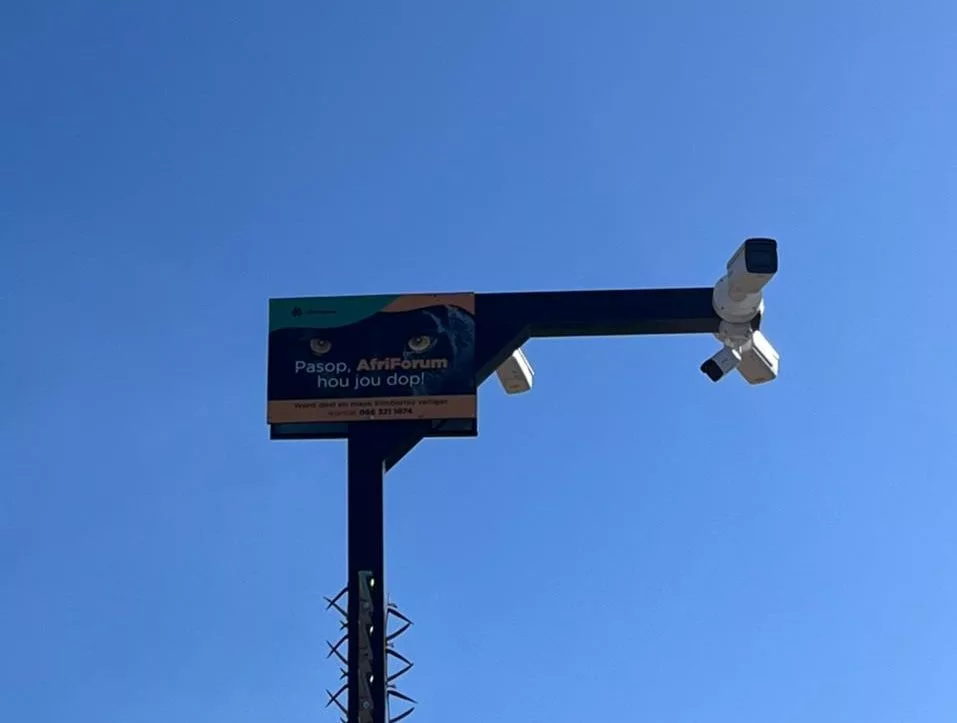
A United Civil Society Pushback Forced Johannesburg to Abandon Its Surveillance Bylaw
This is how creeping authoritarianism gets stopped in its tracks. Johannesburg’s Metro Council tried to pull off a power grab disguised as regulation — and it backfired.
In February, the council adopted a bylaw giving itself control over privately owned CCTV networks, drones, and even body cameras. It wasn’t about safety. It was about centralising surveillance power in the hands of a municipality that can’t keep the lights on, fill a pothole, or stop violent crime.
The bylaw empowered faceless “authorised officials” to seize private equipment, dictate tariffs, and restrict access to footage without a shred of accountability. Communities that had invested millions into their own protection were about to be stripped of control.
AfriForum wasn’t having it. In July, they hauled the Metro to court, arguing that the move violated constitutional rights to privacy, property, and freedom of trade. Within weeks, the city folded. By mid-August, the repeal process was underway.
Jacques Broodryk of AfriForum put it bluntly: “Community safety networks remain in the hands of the communities that built and funded them, not a failing municipality.”
The lesson is glaring: when government attempts expropriation by stealth — whether of land or security systems — civil society has to draw the line. This wasn’t just about cameras. It was about sovereignty.
If this is what local government is prepared to attempt in Johannesburg, what stops them from extending this model nationwide? And more importantly, what happens if citizens don’t push back next time?